
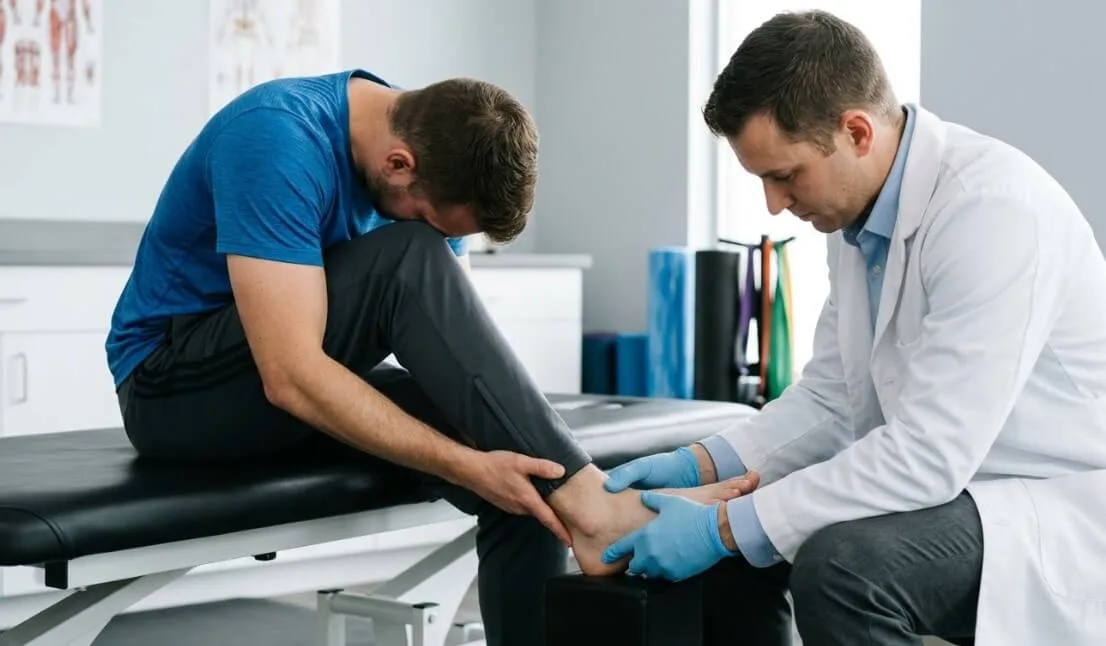
Sports Injury Doctor Tips: Avoid Long-Term Damage
In the high-stakes world of Florida athletics, “playing through the pain” is often wearing a badge of honor that leads straight to a surgical suite. Whether you’re a weekend warrior hitting the courts in St. Petersburg or a pro training in the Tampa humidity, a nagging strain is rarely just a fluke. At Florida Medical Pain Management, we don’t just “manage” symptoms; we identify the mechanical failures before they turn into permanent hardware in your joints. Our approach combines clinical precision with the “boots on the ground” reality of an athlete’s life to ensure a sports injury doctor is your partner in performance, not just a stop on the way to the pharmacy.
Key Takeaways
- Neural Feedback: Sharp, localized pain is a mechanical “check engine” light that requires immediate diagnostic attention.
- Kinetic Chain: Most injuries are “downstream” effects of core instability or poor biomechanical gait.
- Proactive Recovery: Rest is a physiological requirement for tissue synthesis, not an admission of weakness.
- Technical Gear: Footwear and bracing must be matched to your specific “load profile” and sport-specific movements.
When Should You Consult A Sports Injury Doctor For Persistent Pain?
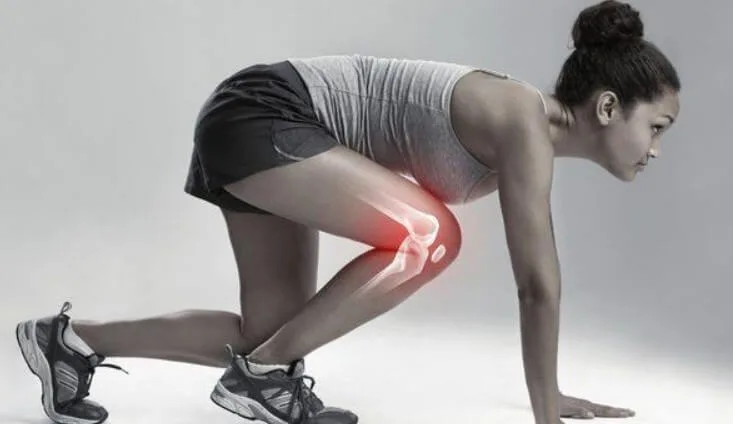
If you’re experiencing sharp, stabbing pain or localized swelling that doesn’t resolve within 48 hours of R.I.C.E. (Rest, Ice, Compression, Elevation), it is time to seek professional intervention. Waiting for a “pop” or complete tear significantly complicates the rehabilitation process. A sports injury doctor at Florida Medical Pain Management utilizes advanced imaging to catch micro-trauma before it evolves into a chronic, life-altering condition.
- Listen to Your Body: Nerve-related zingers or “dead leg” sensations indicate neurological impingement that ice won’t fix.
- Early Intervention: Addressing a Grade 1 sprain today prevents the Grade 3 rupture that ends your season.
- Tailored Recovery: We build protocols that respect your sport’s specific demands, whether that’s explosive sprinting or overhead throwing.
SCHEDULE A CONSULTATION
Experience a pain-free life! Call us at (727) 548-6100
How Do Warm-Up And Cool-Down Routines Prevent Joint Failure?
Skipping your mobility work is essentially redlining a cold engine; you are asking for a catastrophic mechanical failure. A dynamic warm-up increases synovial fluid production in the joints, which acts as a lubricant against friction-induced wear. By the time you’re in the “cool-down” phase, you’re flushing metabolic waste like lactic acid out of the muscle tissue to prevent the stiffening that leads to morning-after strains.
The Strategic Framework for Longevity
- Dynamic Activation: Use multi-plane movements like lunges and high-knees to “wake up” the nervous system.
- Sport-Specific Loading: Gradually increase the intensity of movements to match the game-speed force you’re about to exert.
- Passive Elongation: Post-workout static stretching resets muscle length and prevents the “shortening” that pulls on tendons.
- Thermal Regulation: Use heat to prep and ice to settle inflammation, but never mask pain before a workout.
Why Is Core Stability The Foundation Of Injury Prevention?
Your limbs are only as strong as the platform they’re attached to, and a weak core leads to “energy leaks” that blow out knees and shoulders. When your trunk isn’t stable, your body compensates by over-taxing smaller, stabilizer muscles that weren’t designed to carry the load. A sports injury doctor will often find that a recurring ankle issue is actually caused by “lazy” glutes or a core that can’t handle rotational torque.
Injury Mitigation Clusters
- The Kinetic Anchor: Strengthening the transverse abdominis to protect the lumbar spine during heavy lifts.
- Load Distribution: Using compound movements to ensure force is absorbed by muscle, not bone or cartilage.
- Proprioception: Training your “balance sensors” to react to uneven turf or sudden changes in direction.
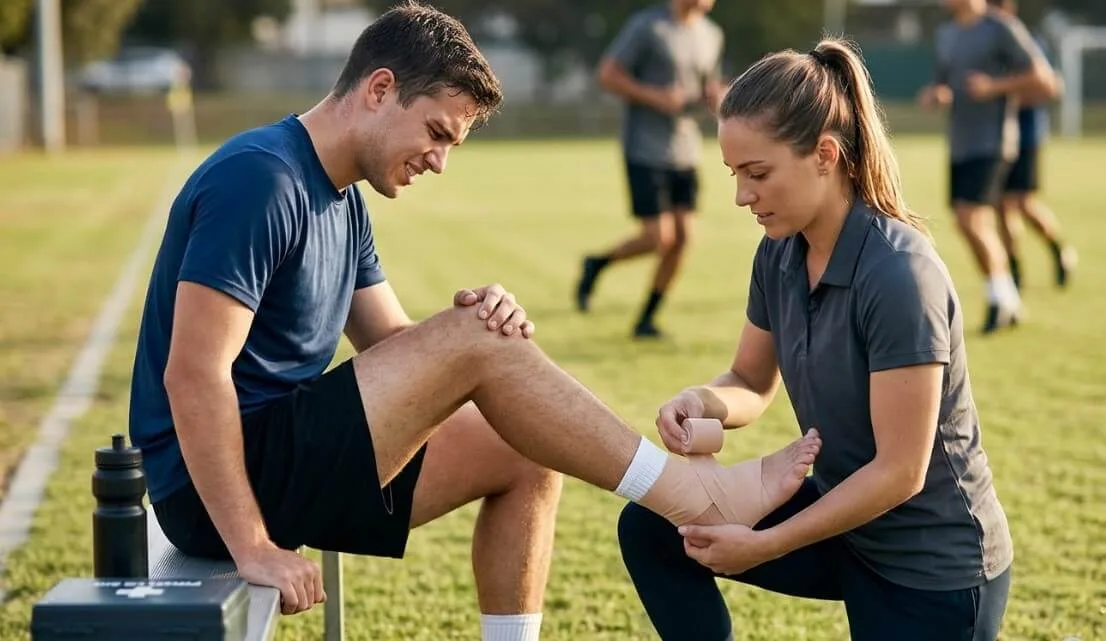
What Is The Difference Between “Rest” And “Recovery” For Athletes?
| Feature | Passive Rest | Active Recovery |
| Primary Goal | CNS (Nervous System) Reset | Blood Flow & Tissue Repair |
| Activity Level | Zero impact / 8+ hours sleep | Low-intensity (Walking, Yoga) |
| When to Use | Post-competition or burnout | Between heavy training sessions |
| Mechanical Benefit | Reduces systemic cortisol | Flushes toxins without adding stress |
SCHEDULE A CONSULTATION
Experience a pain-free life! Call us at (727) 548-6100
How Does Professional Technique Reduce Structural Stress?
Even the most expensive gear can’t save you from a “grinding” gait or a “valgus” knee collapse during a squat. A sports injury doctor looks at your biomechanics—the way your gears turn—to find the friction points. Minor adjustments in how your foot strikes the Florida pavement or how your elbow tracks during a swing can add a decade to your athletic career.
- Biomechanical Grounding: Using video analysis to spot the “silent” flaws in your movement patterns.
- Gait Correction: Aligning your stride to ensure the shock of impact is distributed across the entire lower chain.
- Force Integration: Learning to move with the body’s natural “shearing” limits rather than fighting against them.
Expert Perspective: The “Gritty” Reality
“In my years on the sidelines, I’ve seen more careers ended by ‘toughing it out’ through a minor ache than by big, spectacular collisions. If you’re masking pain with over-the-counter pills just to get through a training session, you’re not ‘hard’—you’re just accelerating the timeline for a total joint replacement. True grit is having the discipline to fix the mechanics before the metal breaks.”
Ready to Reclaim Your Peak Performance?
When your body starts sending distress signals, ignoring them isn’t an option if you plan on staying in the game. At Florida Medical Pain Management, we provide the high-level diagnostic and therapeutic care required to keep your athletic engine running at its maximum “HP.” Whether you need regenerative medicine, physical therapy, or a tactical plan for your return to the field, our team is ready to help you dominate your sport without the fear of a setback.
Frequently Asked Questions
What are the most common injuries treated by a sports injury doctor?
We frequently treat ACL/MCL tears, rotator cuff strains, meniscus damage, and chronic tendonitis (like “Tennis Elbow”). These issues usually stem from a mix of acute trauma and repetitive mechanical overuse that hasn’t been properly addressed.
How long is the typical recovery time for a sports-related strain?
A Grade 1 strain might take 2–3 weeks of focused rehab, while a Grade 3 tear could require months and potentially surgery. The key is early detection; catching a Grade 1 today keeps you off the “long-term” list.
Can a sports injury doctor help with non-surgical recovery?
Yes. The vast majority of sports injuries are treated with non-invasive methods like PRP (Platelet-Rich Plasma) therapy, physical therapy, and biomechanical adjustments. Surgery is always the absolute last resort.
Why does my injury keep coming back every time I return to training?
Recurrence usually means you “fixed” the pain but didn’t fix the “why.” If the underlying movement flaw or muscle imbalance is still there, your body will break at the same weak point as soon as the load increases.
Do I need a referral to see a sports injury doctor at Florida Medical Pain Management?
While some insurance plans vary, most athletes can book an initial consultation directly. If you’re in pain, the fastest way to get back to 100% is to schedule an appointment with a sports injury doctor today.
Our Treatment Services
Florida Medical Pain Management’s top priority is serving our patients’ needs and creating long-lasting relationships with them. Our treatments include:
- Treatment for Neuropathy
- Arthritis Management
- Back Pain Medication
- Chronic Pain Treatments
- Epidural Injection
- Regenerative Medicine
- Hip Pain Medication
We want to help patients live more fulfilling and productive lives by effectively managing their pain. Florida Medical Pain Management also provides home therapy and many more. Click here to see our other services.