
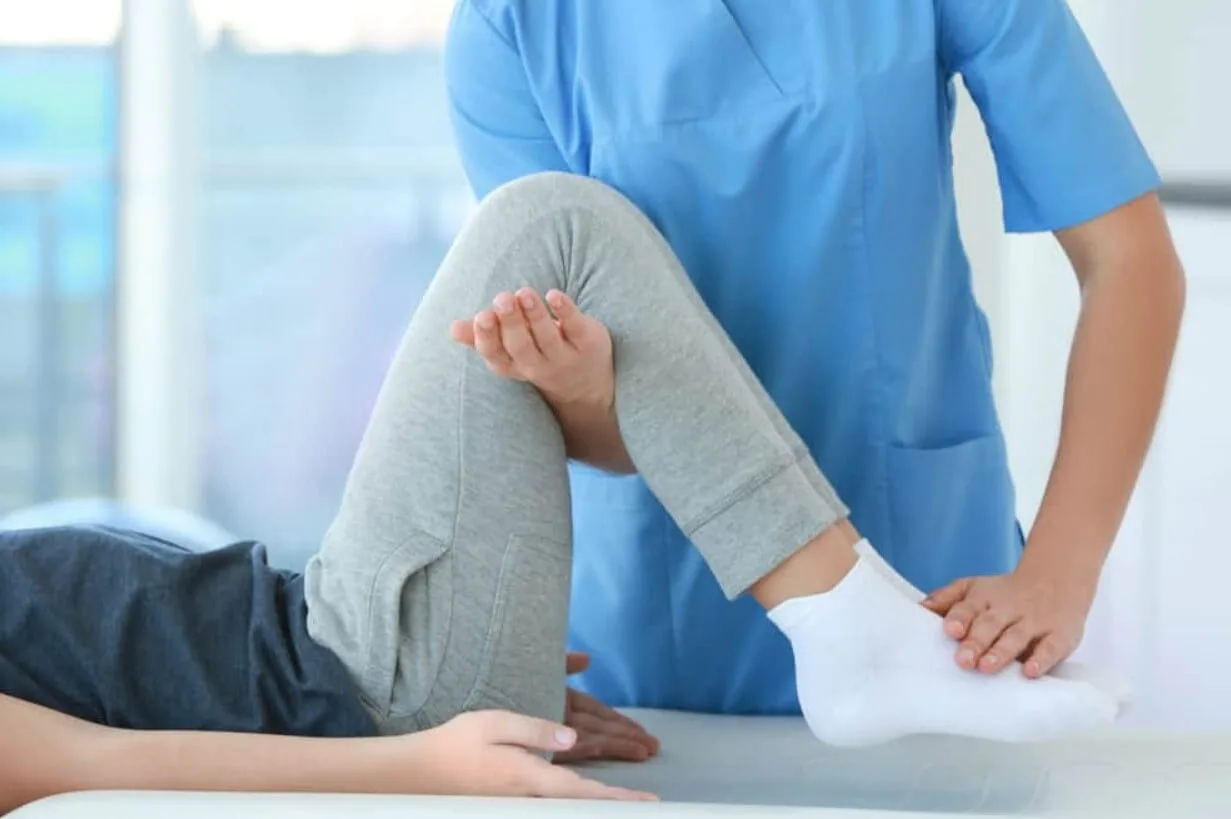
Signs You Need a Doctor for Knee Problems in Florida
Ignoring knee pain is a gamble with your mobility. In the Florida heat, where we stay active year-round—from the golf courses in St. Pete to the job sites in Tampa—your knees are the foundation of everything you do. When that foundation starts to creak, swell, or buckle, you aren’t just “getting older.” You’re experiencing mechanical or inflammatory red flags that require a specialist’s eye. At Florida Medical Pain Management, we see patients who have spent months “pushing through” discomfort, only to find that early intervention with a doctor for knee problems could have saved them from significant joint degradation. Whether you are dealing with the humidity-induced aches of arthritis or a sudden injury from a weekend pickleball match, professional guidance is the difference between staying in the game and being sidelined.
Key Takeaways
- Persistent inflammation: Any swelling lasting over 72 hours needs a professional diagnosis.
- Mechanical Instability: Buckling or “giving out” suggests ligament or structural damage.
- Early Intervention: Addressing chronic knee pain early prevents permanent cartilage erosion.
- Localized Care: Florida Medical Pain Management provides targeted, minimally invasive treatments for Sunshine State residents.
When Is It Time To See A Doctor For Knee Problems?
If your knee pain persists for more than three days, significantly limits your range of motion, or is accompanied by visible swelling and “locking” sensations, it is time to seek professional help. Waiting often turns a minor strain into a chronic degenerative issue. A specialized doctor for knee problems can identify whether the root cause is mechanical, like a meniscus tear, or systemic, like osteoarthritis, ensuring you don’t waste time on treatments that don’t work.
The Strategic Framework: Restoring Joint Function
- Diagnostic Precision
- Isolate the Pain Generator: Identify the specific tissue—whether it’s the ACL, MCL, or the medial meniscus—causing the mechanical failure.
- Biomechanical Assessment: Rule out referred pain from the hip or lower lumbar spine that may be forcing the knee to overcompensate.
- Inflammation Mitigation
- Targeted Site Treatment: Utilize precise injections or advanced therapies to cool down the “hot” joint and reduce synovial fluid buildup.
- Pressure Reduction: Restore natural joint lubrication and movement by clearing the inflammatory “sludge” that restricts your gait.
- Mechanical Stabilization
- Structural Support: Strengthen the supporting “scaffolding”—the quads, hamstrings, and calves—to take the load off the damaged hinge.
- Alignment Correction: Apply bracing or orthotic adjustments if the localized Florida terrain or your specific work boots are contributing to the wear.
SCHEDULE A CONSULTATION
Experience a pain-free life! Call us at (727) 548-6100
Why Should You Never Ignore Persistent Knee Discomfort?
The knee is a high-load hinge joint that absorbs several times your body weight with every step; ignoring pain allows micro-trauma to compound into permanent damage. Unlike a bruised muscle, joint surfaces like hyaline cartilage do not regenerate easily once they are worn down to the bone. Early medical intervention stops the cycle of inflammation that eventually leads to joint replacement surgery.
Clinical Priority Clusters
- Risk Mitigation: Stop the “compensatory limp” that eventually ruins your opposite hip or throws your lower back out of alignment.
- Technical Execution: Address “joint mice” (loose fragments) before they wedge into the joint track and cause a sudden, dangerous fall.
- Growth Strategy: Maintain your activity levels to protect cardiovascular health; don’t let a “bad knee” lead to a sedentary lifestyle and weight gain.
Is Swelling Around The Joint A Major Red Flag?
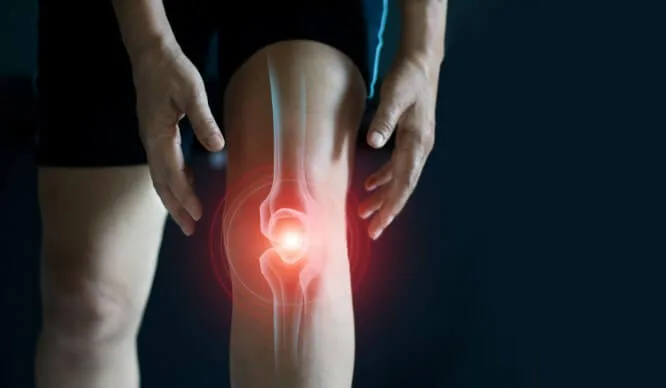
Localized swelling, warmth, or a “tight” feeling in the knee indicates your body is overproducing synovial fluid in response to internal trauma or disease. This “water on the knee” increases intra-articular pressure, restricts your ability to bend the leg, and can actually chemically degrade your joint lining over time if the fluid remains stagnant.
At-a-Glance: Symptom Comparison
| Symptom | “Wait and See” (Minor) | See a Specialist (Serious) |
| Pain Level | Dull ache after long walks | Sharp, stabbing, or prevents sleep |
| Swelling | Minimal; goes down overnight | Persistent, warm to the touch, or “puffy” |
| Mobility | Full range, just slightly stiff | Cannot fully straighten or bend the leg |
| Sound | Occasional quiet “pop” | Grinding, crunching, or painful clicking |
SCHEDULE A CONSULTATION
Experience a pain-free life! Call us at (727) 548-6100
How Does Difficulty Walking Impact Your Long-Term Health?
When knee pain forces you to change your gait or avoid stairs, it triggers a cascade of muscle atrophy and balance loss that increases your fall risk. In Florida, staying mobile isn’t just about hobbies; it’s about maintaining the independence required to navigate our humid environment and sprawling communities. If you are limping, your body is already failing to compensate for the underlying injury.
High-Density Medical Entities
- Osteoarthritis (OA): The progressive “wear and tear” of the protective hyaline cartilage.
- Bursitis: Inflammation of the small, fluid-filled sacs that cushion the knee’s pressure points.
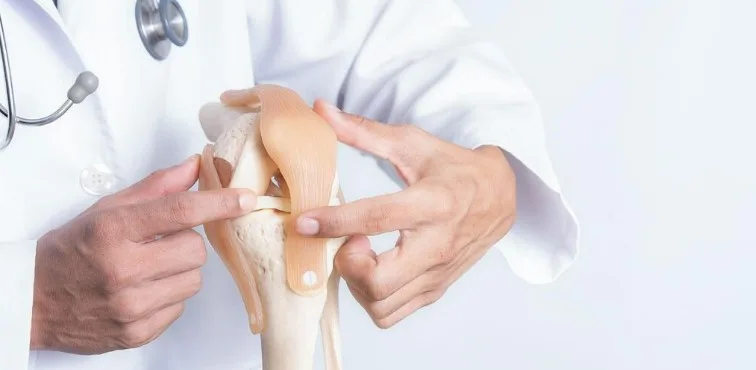
- Meniscus Tear: A rip in the C-shaped cartilage that acts as a shock absorber between the femur and tibia.
- Patellar Tendonitis: Irritation of the cord-like tissue connecting the kneecap to the shinbone, common in “jumpers.”
What Do Popping And Grinding Sounds Actually Mean?
Audible grinding (crepitus) or painful popping usually indicates that the smooth surfaces of your joint have become rough or that a piece of cartilage is catching. While “painless popping” is often just gas bubbles, any sound accompanied by a “catching” sensation means the mechanical track of your knee is compromised. This friction creates heat and further wear, accelerating the aging of the joint.
Expert Perspective: The “Grit” Factor
Pro Tip: Don’t wait for the “big pop.” Most catastrophic knee failures are preceded by weeks of “stiffness” that the patient ignored. If you feel like your knee has “sand in the gears” during your morning walk on the beach, your cartilage is likely fraying. Addressing it now with a doctor for knee problems can often save the joint through lubrication or minor intervention rather than a saw and a prosthetic later.
Why Is Knee Pain After An Injury So Deceptive?
Initial pain from a fall or twist often subsides as adrenaline and acute swelling fade, but the underlying structural damage—like a partial ACL or MCL tear—remains. Many Florida athletes and workers return to full activity too soon, only to have the knee “give out” during a routine movement. This secondary instability is often where the most significant, permanent damage to the joint occurs.
Ready to Reclaim Your Mobility?
Living with knee pain is a choice you don’t have to make. At Florida Medical Pain Management, we specialize in the “Master Craftsman” approach to joint health—diagnosing the mechanical root of your pain and applying precise, effective treatments to get you back on your feet. Whether you’re dealing with the early stages of arthritis or a lingering sports injury, our team provides the expert intervention needed to avoid the operating table and stay active in the Florida sun. Take the first step toward a pain-free life. Call FMPM today to book your consultation.
Frequently Asked Questions
Q: What kind of doctor should I see for knee pain?
A: You should see a pain management specialist or an orthopedic physician. These experts use diagnostic tools like MRI and ultrasound to determine if your pain is caused by nerve issues, soft tissue tears, or bone-on-bone friction.
Q: How do I know if my knee pain is serious?
A: It’s serious if you cannot bear weight, see visible deformity, or experience swelling that doesn’t resolve with rest and ice. If the joint feels “loose” or locks in place, seek medical attention immediately.
Q: Can arthritis knee pain be treated without surgery?
A: Absolutely. Many patients find long-term relief through viscosupplementation, corticosteroid injections, and specialized physical therapy designed to take the pressure off the joint and improve natural lubrication.
Q: Why does my knee make grinding sounds?
A: Grinding, or crepitus, is often the sound of rough cartilage surfaces rubbing together. While common in aging joints, if it’s painful, it usually indicates significant wear or a lack of synovial fluid that needs clinical intervention.
Q: Should I see a doctor after a minor knee injury?
A: Yes, because minor “tweaks” can hide partial ligament tears or meniscus issues. A professional evaluation ensures the injury heals correctly, preventing chronic instability and future ruptures.
Our Treatment Services
Florida Medical Pain Management’s top priority is serving our patients’ needs and creating long-lasting relationships with them. Our treatments include:
- Treatment for Neuropathy
- Arthritis Management
- Back Pain Medication
- Chronic Pain Treatments
- Epidural Injection
- Regenerative Medicine
- Hip Pain Medication
We want to help patients live more fulfilling and productive lives by effectively managing their pain. Florida Medical Pain Management also provides home therapy and many more. Click here to see our other services.