
Back Pain Management Clinic for Sciatica Symptoms
Sciatica can make everyday tasks feel difficult, from walking and driving to sitting through a workday. If you’re experiencing pain that starts in your lower back and travels down your leg, seeking care from a back pain management clinic is one of the best ways to identify the underlying cause and begin effective treatment. Rather than simply covering up symptoms, the right treatment plan focuses on reducing inflammation, improving mobility, and helping you return to daily activities with greater comfort. At Florida Medical Pain Management, patients receive personalized, evidence-based care designed to relieve pain and improve long-term spinal health through comprehensive, non-surgical treatment whenever possible.
Key Takeaways
- Sciatica is a symptom, not a disease, and it usually results from irritation or compression of the sciatic nerve.
- Early evaluation improves outcomes by identifying the cause before symptoms become more severe.
- Florida Medical Pain Management creates individualized treatment plans based on each patient’s diagnosis, lifestyle, and recovery goals.
- Non-surgical treatments often provide significant relief while helping restore strength, flexibility, and mobility.
- Healthy daily habits, combined with professional care, can reduce flare-ups and support long-term recovery.
What is Sciatica?
Sciatica refers to pain caused by irritation or compression of the sciatic nerve—the body’s largest nerve. It begins in the lower spine, travels through the hips and buttocks, and extends down each leg. When this nerve becomes compressed or inflamed, symptoms can vary from mild discomfort to severe pain that limits normal movement.
Common symptoms include:
- Sharp or burning pain in the lower back
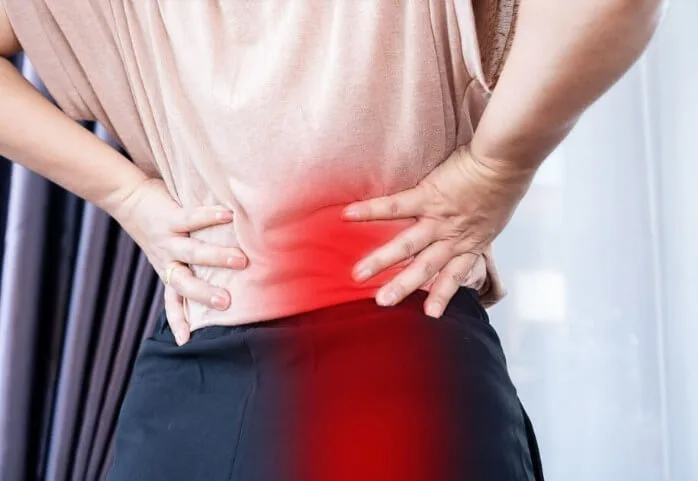
- Pain radiating through the buttock and down one leg
- Tingling or “pins and needles” sensations
- Numbness in the leg or foot
- Muscle weakness
- Difficulty standing or walking
- Increased pain after sitting for extended periods
Some people notice symptoms after lifting something heavy, while others develop pain gradually over time. Because several spinal conditions can produce similar symptoms, obtaining an accurate diagnosis is essential.
What Causes Sciatica?
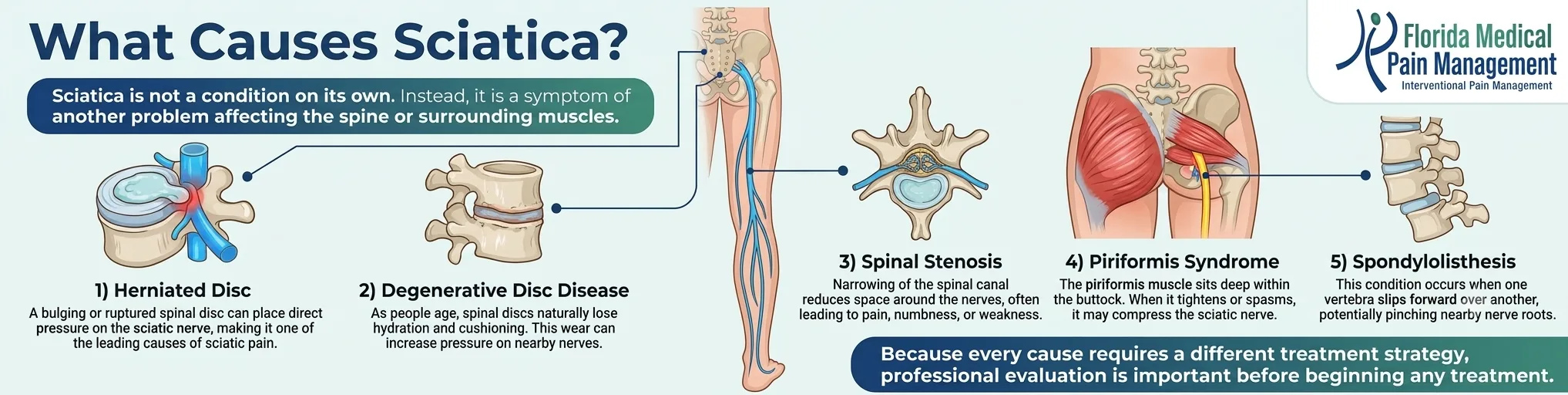
Sciatica is not a condition on its own. Instead, it is a symptom of another problem affecting the spine or surrounding muscles.
Some of the most common causes include:
Herniated Disc
A bulging or ruptured spinal disc can place direct pressure on the sciatic nerve, making it one of the leading causes of sciatic pain.
Degenerative Disc Disease
As people age, spinal discs naturally lose hydration and cushioning. This wear can increase pressure on nearby nerves.
Spinal Stenosis
Narrowing of the spinal canal reduces space around the nerves, often leading to pain, numbness, or weakness.
Piriformis Syndrome
The piriformis muscle sits deep within the buttock. When it tightens or spasms, it may compress the sciatic nerve.
Spondylolisthesis
This condition occurs when one vertebra slips forward over another, potentially pinching nearby nerve roots.
Because every cause requires a different treatment strategy, professional evaluation is important before beginning any treatment.
SCHEDULE A CONSULTATION
Experience a pain-free life! Call us at (727) 548-6100
When Should You Visit a Back Pain Management Clinic?
Many people hope sciatica will improve on its own. While mild cases sometimes resolve with rest and activity modifications, persistent symptoms should never be ignored.
Consider scheduling an evaluation if you experience:
- Pain lasting more than two weeks
- Pain extending below the knee
- Numbness or tingling in the leg
- Difficulty walking comfortably
- Weakness in the foot or leg
- Recurring episodes of sciatic pain
- Pain that disrupts sleep
- Difficulty completing normal daily activities
Seeking care early may reduce inflammation, prevent symptoms from worsening, and lower the risk of long-term nerve irritation.
How Florida Medical Pain Management Helps Patients
At Florida Medical Pain Management, treatment begins with understanding the individual—not simply the symptoms. Every patient undergoes a comprehensive evaluation to determine the exact source of their discomfort before treatment recommendations are made.
The evaluation may include:
- Detailed medical history review
- Physical examination
- Mobility and flexibility assessment
- Neurological testing
- Imaging review, when appropriate
This thorough process helps providers develop a personalized care plan based on the patient’s diagnosis, activity level, medical history, and long-term goals.
Instead of relying on a one-size-fits-all approach, the clinic focuses on treatments that address the underlying cause of pain while helping patients improve function and quality of life.
Personalized Treatment Options for Sciatica
Treatment recommendations depend on the severity of symptoms and the condition causing nerve compression. A back pain management clinic often combines multiple therapies to achieve the best possible results.
Conservative Pain Management
Many patients improve without surgery through conservative treatments such as:
- Activity modifications
- Guided stretching programs
- Therapeutic exercises
- Anti-inflammatory medications
- Lifestyle recommendations
- Posture education
These treatments help decrease inflammation while improving spinal support and flexibility.
Epidural Steroid Injections
For patients with significant nerve inflammation, epidural steroid injections may help reduce swelling around the affected nerve root.
Potential benefits include:
- Reduced inflammation
- Improved comfort
- Better participation in physical therapy
- Temporary relief while healing progresses
Although injections are not appropriate for every patient, they can be an effective part of a comprehensive treatment plan.
Physical Rehabilitation
Strong muscles support the spine and reduce stress on irritated nerves.
A structured rehabilitation program may focus on:
- Core strengthening
- Flexibility training
- Balance improvement
- Posture correction
- Safe movement techniques
Patients often discover that improving body mechanics helps reduce future flare-ups.
These procedures are carefully selected based on each patient’s diagnosis and treatment goals.
Why Early Treatment Makes a Difference
Waiting too long to seek treatment can allow inflammation and nerve irritation to become more difficult to manage.
Early intervention may provide several advantages:
- Faster pain relief
- Improved mobility
- Better daily function
- Reduced inflammation
- Lower risk of chronic pain
- Prevention of additional complications
- Improved long-term recovery
The sooner the underlying problem is identified, the sooner an appropriate treatment plan can begin.
Everyday Habits That May Help Reduce Sciatica Pain
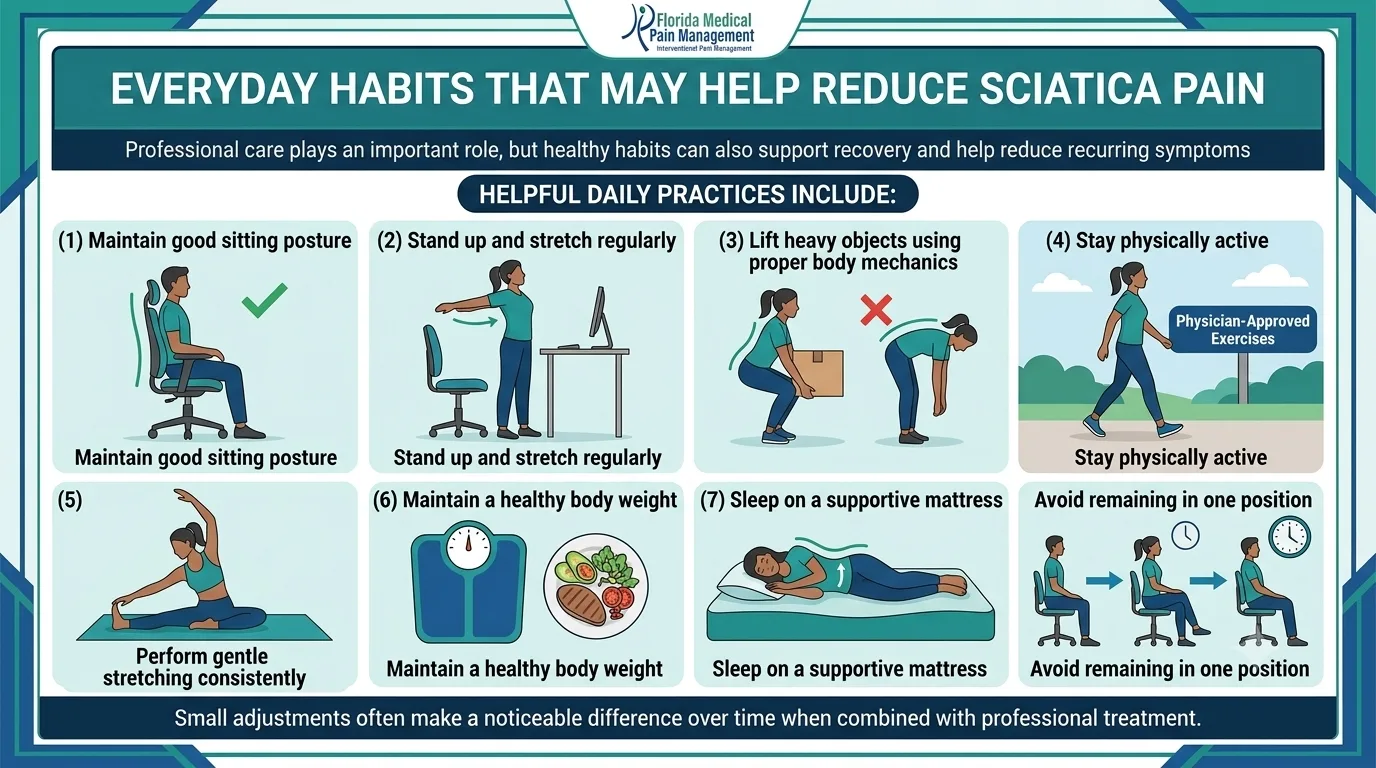
Professional care plays an important role, but healthy habits can also support recovery and help reduce recurring symptoms.
Helpful daily practices include:
- Maintain good sitting posture.
- Stand up and stretch regularly if you sit for long periods.
- Lift heavy objects using proper body mechanics.
- Stay physically active with physician-approved exercises.
- Perform gentle stretching consistently.
- Maintain a healthy body weight.
- Sleep on a supportive mattress.
- Avoid remaining in one position for extended periods.
Small adjustments often make a noticeable difference over time when combined with professional treatment.
SCHEDULE A CONSULTATION
Experience a pain-free life! Call us at (727) 548-6100
Why Patients Choose Florida Medical Pain Management
Living with sciatic pain affects much more than your back. It can interfere with work, hobbies, exercise, family activities, and even getting a good night’s sleep.
Florida Medical Pain Management is committed to helping patients regain independence through compassionate, patient-focused care.
Patients choose the clinic because they receive:
- Individualized treatment plans
- Thorough diagnostic evaluations
- Experienced pain management specialists
- Advanced non-surgical treatment options
- Evidence-based care
- Ongoing support throughout recovery
- A focus on restoring mobility and quality of life
The goal isn’t simply reducing pain for a few days. It’s helping patients achieve meaningful, lasting improvement that allows them to enjoy everyday activities again.
Take the First Step Toward Lasting Relief
Sciatica doesn’t have to control your daily routine. Persistent lower back pain, leg pain, numbness, or tingling should always be evaluated by a qualified medical professional. Visiting a trusted back pain management clinic allows you to receive an accurate diagnosis and a treatment plan tailored specifically to your needs.
At Florida Medical Pain Management, experienced providers combine compassionate care with proven, non-surgical treatment options to help patients manage pain and improve mobility. Whether your symptoms have just started or you’ve been living with discomfort for months, early evaluation can make a meaningful difference. Contact Florida Medical Pain Management today to schedule a consultation and take the next step toward lasting relief and better spinal health.
Frequently Asked Questions
Q: What is the most common cause of sciatica?
A: The most common cause is a herniated disc pressing on the sciatic nerve. Other causes include spinal stenosis, degenerative disc disease, piriformis syndrome, and spondylolisthesis.
Q: How do I know if I should visit a back pain management clinic?
A: You should seek professional evaluation if your pain lasts longer than two weeks, travels below the knee, causes numbness or weakness, or interferes with daily activities.
Q: Can sciatica improve without surgery?
A: Yes. Many patients recover with conservative treatments such as physical therapy, activity modifications, medications, injections, and other non-surgical pain management techniques.
Q: What treatments does Florida Medical Pain Management offer for sciatica?
A: Depending on your diagnosis, treatments may include comprehensive evaluations, therapeutic exercises, epidural steroid injections, physical rehabilitation, lifestyle guidance, and advanced minimally invasive pain management procedures.
Q: How long does it take to recover from sciatica?
A: Recovery varies depending on the underlying cause and severity. Some patients improve within a few weeks, while others require ongoing treatment and rehabilitation for longer-lasting relief.
Our Treatment Services
Florida Medical Pain Management’s top priority is serving our patients’ needs and creating long-lasting relationships with them. Our treatments include:
- Treatment for Neuropathy
- Arthritis Management
- Back Pain Medication
- Chronic Pain Treatments
- Epidural Injection
- Regenerative Medicine
- Hip Pain Medication
We want to help patients live more fulfilling and productive lives by effectively managing their pain. Florida Medical Pain Management also provides home therapy and many more. Click here to see our other services.